
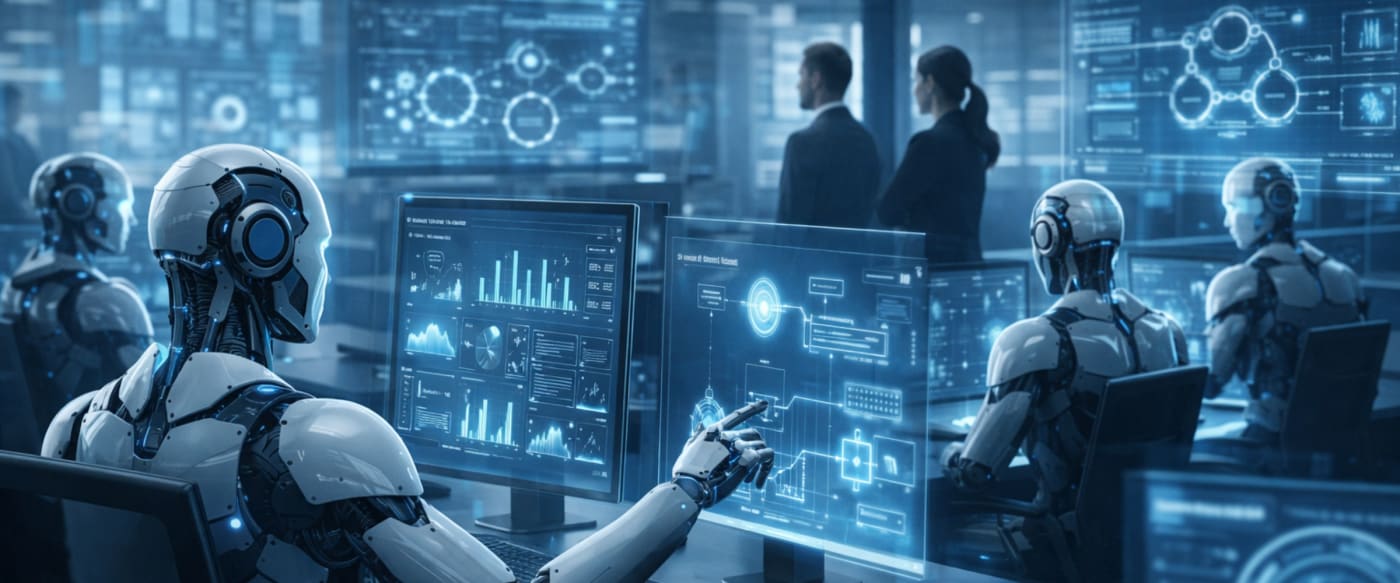
In recent years, organizations across industries have experienced significant workforce reductions. While economic uncertainty has contributed to these changes, a deeper transformation is underway. Businesses are increasingly shifting from traditional human teams to artificial intelligence-driven systems to improve efficiency, reduce costs, and remain competitive.
Understanding the Context of Widespread Layoffs
Many companies expanded rapidly during periods of growth, resulting in larger teams and increased operational expenses. As market conditions evolved, sustaining these structures became difficult. Layoffs have therefore become part of a broader strategy to redesign business operations and improve efficiency.
At the same time, advancements in artificial intelligence have provided practical alternatives to repetitive and resource-intensive tasks. This has accelerated the transition toward automation across industries.
Why Businesses Are Moving Toward AI Systems
Artificial intelligence offers several advantages that align with modern business needs:
- Cost Efficiency: AI reduces recurring expenses associated with salaries, infrastructure, and training.
- Scalability: Systems can handle increased workloads without proportional cost increases.
- Speed and Accuracy: Automated processes complete tasks faster with fewer errors.
- Continuous Operations: AI systems operate without interruption.
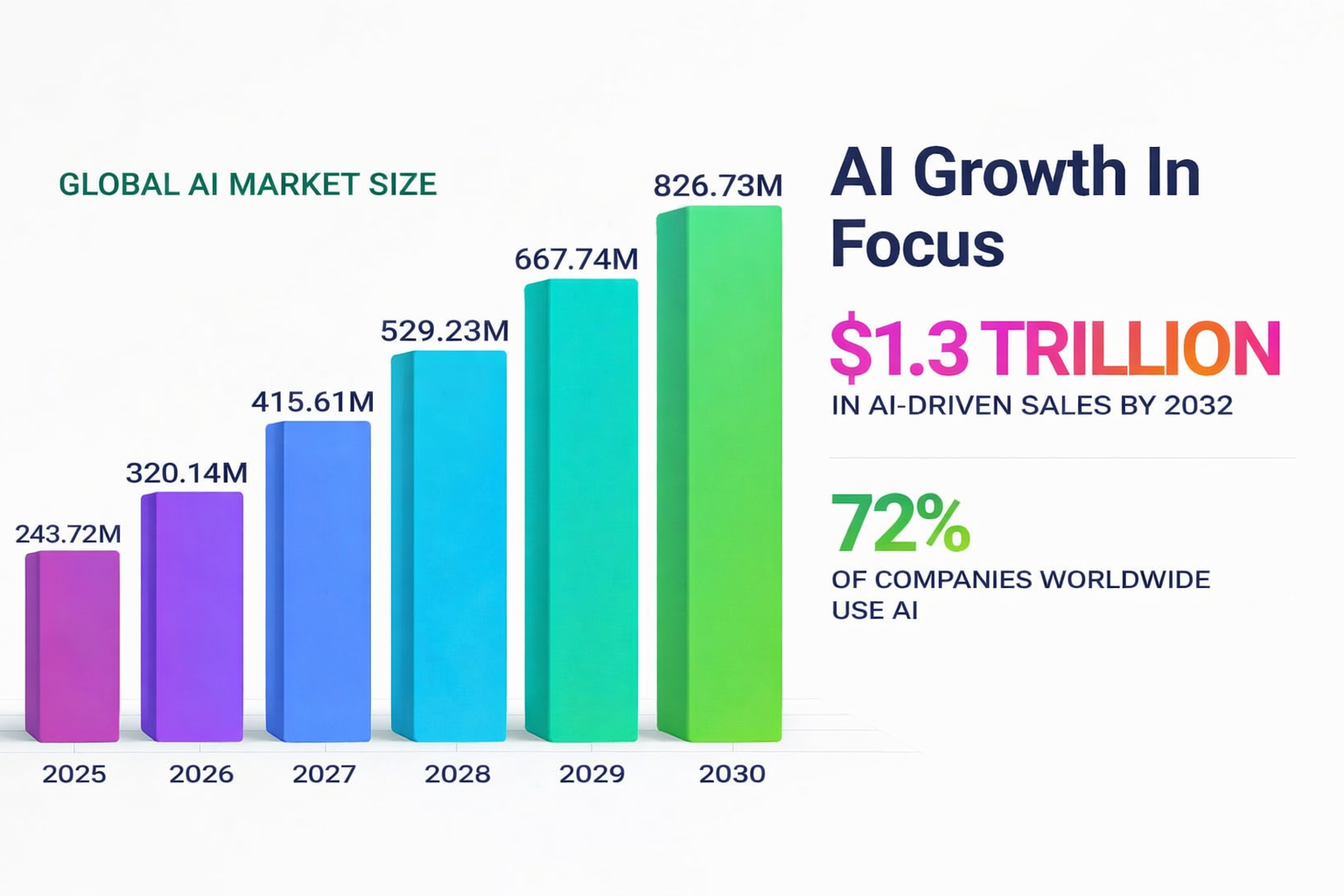
The growing role of AI in transforming traditional workforce structures
These benefits make AI a strategic choice, particularly during periods of restructuring and uncertainty.
Functions Where AI is Replacing Traditional Roles
AI adoption is most visible in areas involving structured and repetitive tasks:
- Customer Support: Chat-based systems manage queries efficiently.
- Marketing: Automation tools assist with content, campaigns, and analytics.
- Sales Operations: AI supports lead generation and follow-up processes.
- Data Analysis: Large volumes of data are processed to generate insights.
For example, businesses are increasingly adopting AI-powered digital employees such as Diginada, which can manage marketing activities, automate workflows, and support lead generation without the need for large in-house teams.
The Limitations of Full Automation
Despite its advantages, artificial intelligence cannot fully replace human capabilities. Strategic thinking, creativity, and relationship management remain essential for long-term success.
Organizations that rely entirely on automation risk losing the human perspective that is critical in decision-making and customer engagement.
A Balanced Approach: Integrating AI with Human Expertise
The most effective approach is to combine AI capabilities with skilled professionals. This includes:
- Using AI for repetitive and time-consuming tasks
- Retaining human expertise for strategy and innovation
- Leveraging external partners for specialized execution
This balanced model enables businesses to remain efficient while maintaining quality and adaptability.
Strategic Considerations for Businesses
Organizations adopting AI should focus on sustainable implementation rather than short-term gains. Key considerations include identifying suitable processes for automation, ensuring proper integration, and maintaining responsible use of technology.
Investing in employee upskilling and aligning AI adoption with business goals will ensure long-term value.
Conclusion
The shift from human teams to AI systems reflects a broader transformation in how businesses operate. While layoffs have accelerated this trend, the primary driver is the need for efficiency and adaptability.
Businesses that successfully integrate AI while preserving human expertise will be better positioned to achieve sustainable growth in an evolving market.