

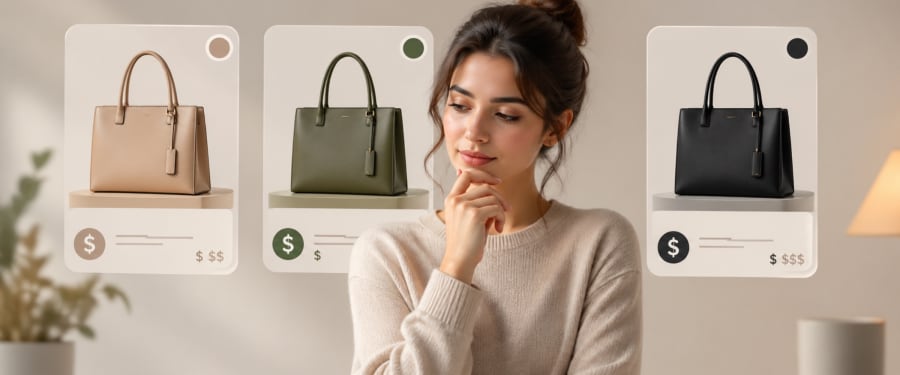
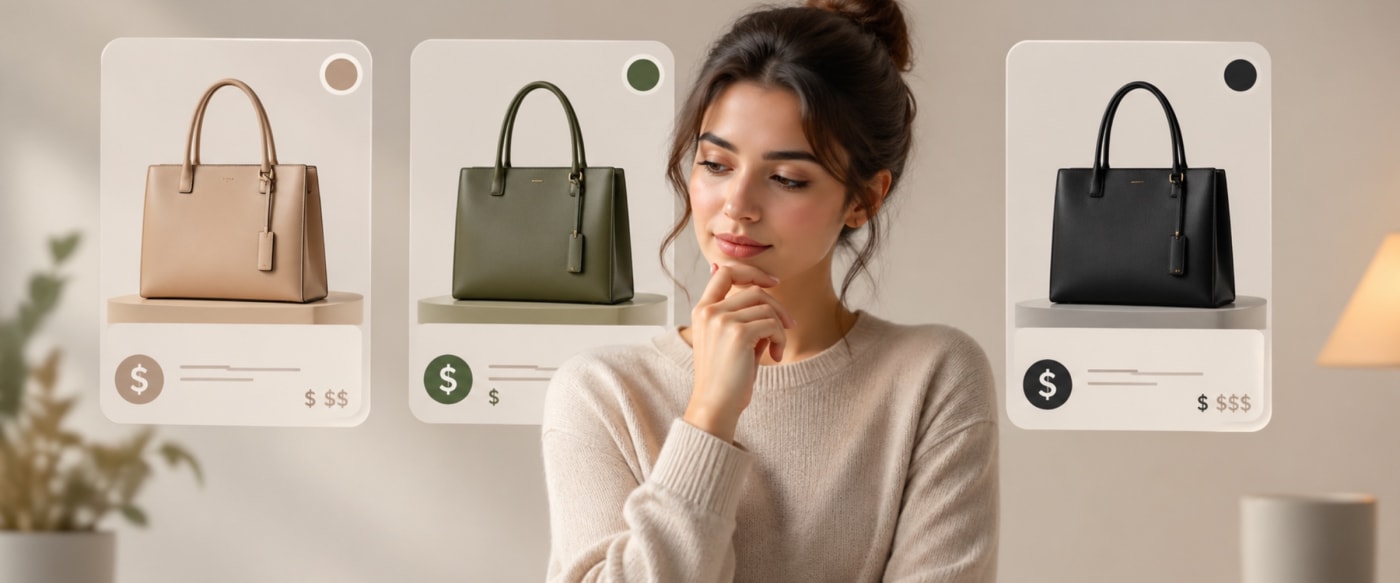
Many customers do not reject an offer only because of price. Often they are comparing value. Understanding perceived value psychology can help businesses improve trust, reduce price objections, and increase conversions.

Why Customers Compare Prices
Many business owners think customers only want the cheapest option.
But that is not always true.
Customers often compare because they are trying to understand value.
They ask themselves:
Is this worth the price?
What do I get for this amount?
Can I trust this offer?
This is where perceived value psychology matters.
People Do Not Buy Price Alone
Customers often pay more when they feel the value is higher.
People buy quality.
People buy trust.
People buy confidence.
If value is clear, price objections can reduce.
Why Some Offers Feel Expensive
An offer may feel expensive when benefits are unclear.
If customers do not see the result, they focus on price.
If they see the outcome, they focus more on value.
This is why how you present your offer matters.
Four Things That Increase Perceived Value
1. Clear Benefits
Customers need to understand what they gain.
Clear benefits make value stronger.
2. Trust Signals
Reviews, websites, and proof build confidence.
Confidence supports higher perceived value.
According to Stanford University, 75% of users judge trust based on a website.
3. Better Explanation
How you explain your service affects how people see value.
Simple and clear explanations help.
4. Strong Follow-Up
Sometimes customers compare because they still have doubts.
Follow-up can answer those doubts.
Customers often compare prices when they do not clearly see the value.
Example: Same Price, Different Perception
Two businesses offer similar services.
One gives only a price.
The other explains benefits, shows trust, and answers questions.
Even with a similar price, the second offer may feel more valuable.
This is perceived value.
How Response Speed Also Affects Value
Fast replies can increase trust.
And trust can increase perceived value.
Slow replies can create doubt.
According to Harvard Business Review, businesses replying within one hour are 7 times more likely to qualify leads.
This shows communication also affects buying decisions.
How Technology Supports Better Value Perception
A website helps explain your value clearly.
Automation helps follow up properly.
AI can answer customer questions quickly.
Together, they help customers feel more confident.
This can improve conversions.
Why Discounting Is Not Always the Answer
Many businesses reduce price too quickly.
But lower prices do not always solve the real problem.
If customers do not see value, even a discount may not help.
Improving value perception is often better than reducing price.
The Bottom Line
Customers compare prices when they are trying to judge value.
When businesses improve trust, clarity, and communication, price objections can reduce.
This is where perceived value psychology helps.
And this is where smart systems can support growth.
Want to Improve Conversions Without Cutting Prices?
If you want to:
✔ Reduce price objections
✔ Improve perceived value
✔ Increase lead conversions
✔ Use websites, automation, and AI to support sales
We help businesses build systems that improve trust and conversions.
Book a free consultation
Frequently Asked Questions
Why do customers compare prices?
Customers often compare prices to understand value and reduce risk.
What is perceived value in marketing?
Perceived value is how customers judge the worth of an offer before buying.
Can trust reduce price objections?
Yes, trust can improve confidence and reduce hesitation around price.
Can automation support better conversions?
Yes, automation can improve follow-ups and customer communication.
Tags: Perceived Value, Pricing Psychology, Conversions, Business Growth